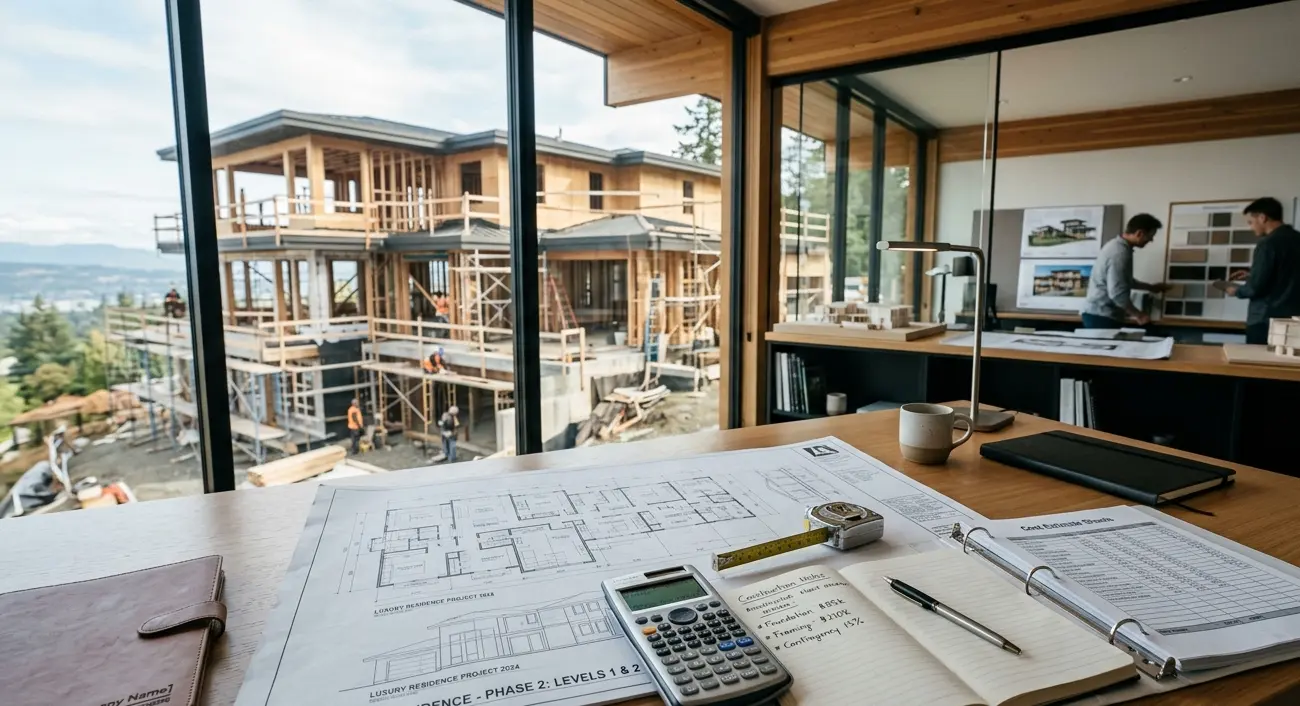
Many homeowners fail to anticipate common house design budget mistakes when planning their dream home. Overlooking material costs, contingency planning, and professional fees can turn an ambitious design into an expensive nightmare. Homeowners often see their home as a creative expression of their dreams. It also reflects how they choose to invest their resources. In high-end residential architectural design, the basis for a successful project is determined more from the disciplines of the overall project throughout its life cycle than from either the creative design of the space or the structural strength of the building.
When there is an adequate budget for the design of a home and it has been appropriately executed, it serves as a ‘work of art’ in its own right; it is an invisible structural support system for the potential of innovation to thrive unimpeded by the pressure of future unexpected debt. Most unsuccessful projects fail in the planning stages because the financial planning phase received less importance than the design phases. In order to achieve your financial investment in your home, you will need to understand how to avoid the most common mistakes associated with the budgeting of your construction costs.
This comprehensive guide contains details of the most common errors made in the process of budgeting for home design and recommendations by experts for protecting your vision of a ‘sanctuary.’
1. The Ambiguity Trap: Common House Design Budget Mistakes in Project Scope
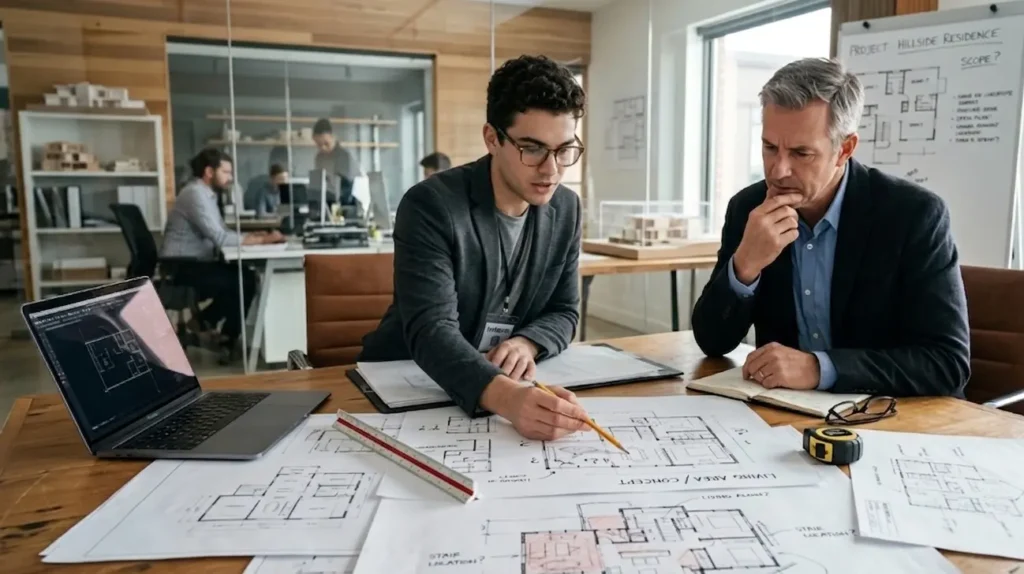
The most costly words in architecture are: “We’ll resolve these issues when we build it.” Initiating a project without a narrowed and thoroughly defined work scope is the most significant contributor to financial failure. Having a “vague vision” of a new, modern, minimalist home is not a foundation for creating an acceptable work product but rather will lead to continual scope increases of the work being performed.
The Risk:The fluidity of scope puts all on-site construction decisions, such as moving electrical outlets or changing floor finishes, into a ‘Change Order’ to define the scope change. All of these later change orders are significantly more expensive than those made during the design phase.
The Solution: Spend the necessary time in the Pre-Design Phase to identify all functional requirements, material preferences, and space priorities prior to laying the first brick. Professional design firms will utilize this phase to align your lifestyle goals with your financial responsibilities, creating a locked-in construction cost for the project.
Underestimating Professional Fees: A Major House Design Budget Mistake
Many homeowners make the mistake of treating their designer’s fee as a separate cost rather than being part of their overall construction budget. The fact is that hiring an architect, structural engineer and specialty consultants (such as lighting or mechanical, electrical and plumbing experts) is an investment in reducing risks.
The risk: Trying to save 10% of your design fee can lead to a 30% increase in errors in the construction process. Without detailed technical drawings to guide them, builders resort to making “best guesses” when constructing structures resulting in structural inefficiencies, poor space planning and waste of materials.
Professional Recommendation: Plan to spend 10% -15% of your total budget on professional fees. Well-designed documentation creates binding contracts both legally and financially between you and your builder, ensuring that your builder quotes correctly and avoids costly “surprises” during the construction process.
Material Volatility and House Design Budget Mistakes
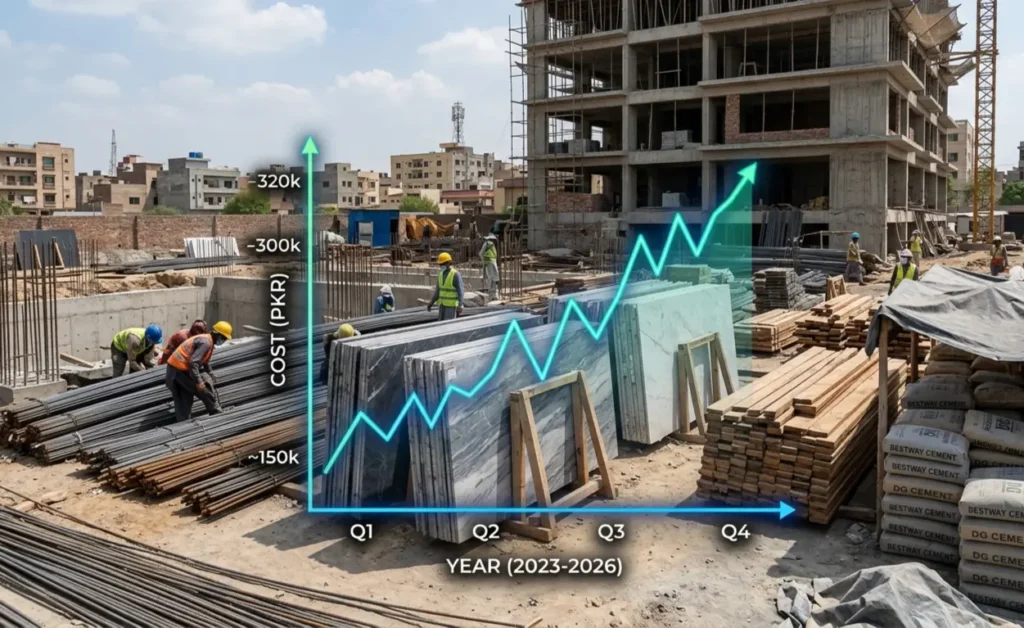
The construction industry is in a state of major upheaval. In fact, we’ve seen cost decreases in high season for quality wood as well as increases in cost for imported marble and structural steel; all of which can be very different in 6-months time.
The risk: Your budget created during the “Planning Phase” may become obsolete by the time you get to the “Procurement Phase”. Therefore, you cannot afford to use old data or use a budget based on “average square-foot costs” from previous years. If so, you are taking a huge gamble that could cause your project to be put on the shelf after you already put money into it.
To avoid this situation, a good design tip for a budget-friendly house is to consider the use of a “Phased Procurement” strategy, i.e., find the items with the highest volatility such as custom cabinetry, specialized glass, or flooring, and prepare a contract for these items early once the design is finalized, therefore locking in your current price on these items and protecting yourself against potential spikes in cost on the materials during construction time.
Avoiding House Design Budget Mistakes with a Contingency Fund
There is a time for optimistic design, however, optimism can work against any budget. All projects (even those with the most detailed plans) will include some element of the unexpected: unanticipated ground conditions, delays due to poor weather, or disruptions to the supply chain.
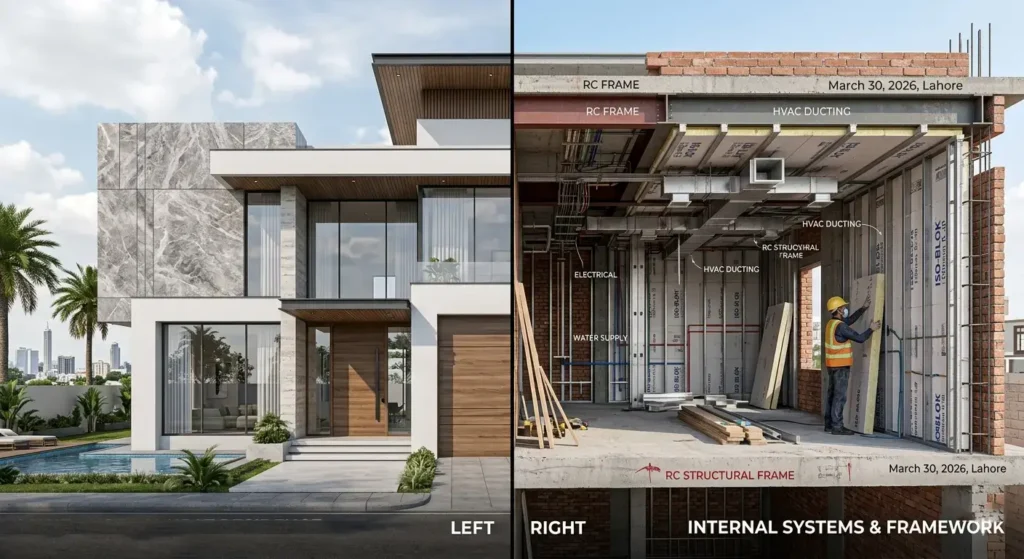
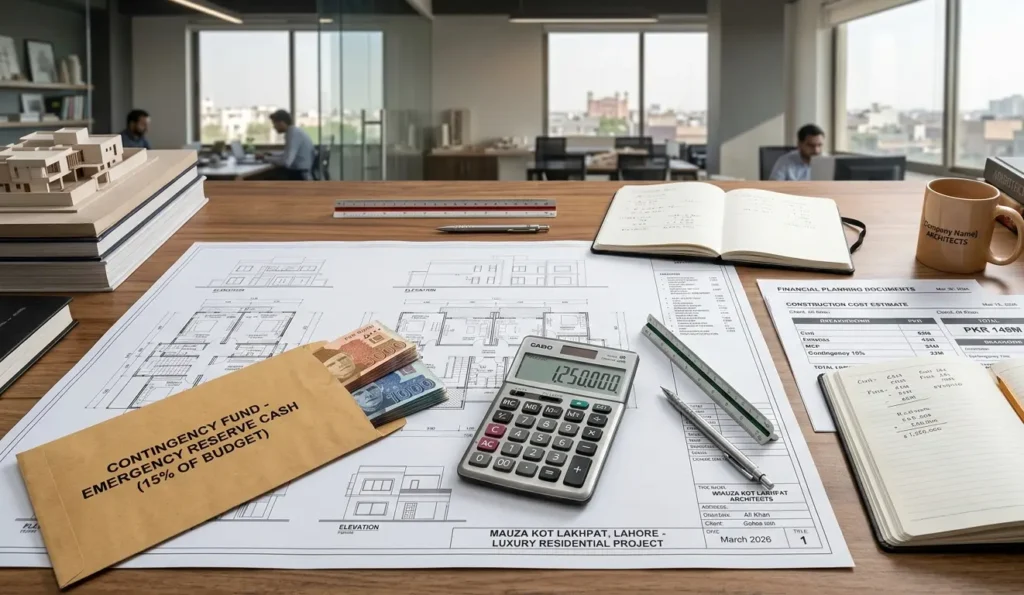
The risk of allocating 100% of your funds to “visible” aspects of your residence is that the very first hidden obstacle you encounter will indicate you will need to compromise. You may have to choose to purchase lower quality windows or reduce your landscaping expenditure solely for the purpose of paying for correcting a drainage problem.
The professional suggestion is to maintain a strict contingency amount of at least 15% of your total budget. This is not considered a “bonus” for added features but rather a financial barricade. If you do not expend any portion of your contingency budget by the end of the project, then you will have a “surplus” for purchasing expensive furnishings and art; however, you should not use any portion of this surplus until the structure is completely closed in.
Aesthetics vs Functionality: Preventing House Design Budget Mistakes
With this generation relying heavily on social media as their main source of visual inspiration, it has become all too common for people to concentrate solely on “the look” i.e., oak veneer cladding, marble countertops, designer faucets, etc. — instead of considering the functional systems that will make the house liveable.
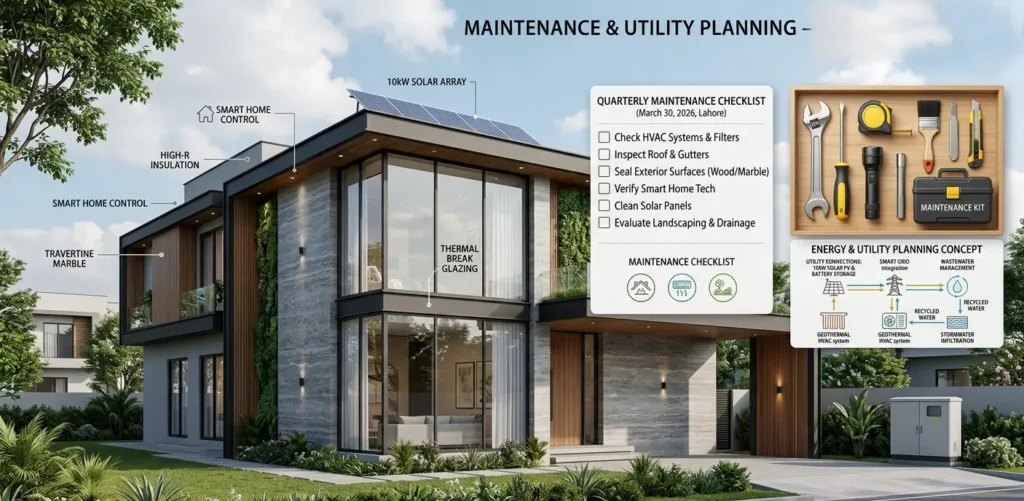
The Danger:Many homeowners spend too much on aesthetics. They ignore the structural and functional core of the house. This creates long-term issues. The home may look beautiful, but it can feel uncomfortable and become expensive to maintain.
For example, replacing a poor HVAC system after wall closure costs a lot. Poor insulation creates the same issue. In contrast, replacing an old faucet is easy and affordable.
The Professional Approach: Use a functional-first mindset. Allocate budget to the building envelope, energy-efficient glass, and smart space planning first. These features improve comfort, increase ROI, and raise future property value.
6. The Total Cost of Ownership: Forgetting Long-Term Maintenance
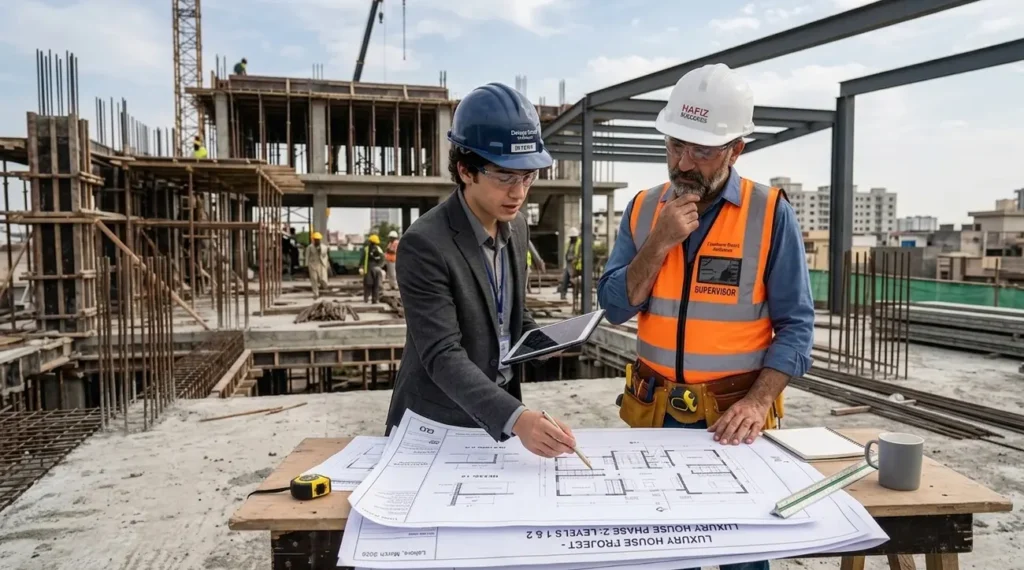
Many homeowners focus only on the initial construction cost. They often ignore future expenses like repairs, maintenance, and utility bills.
The Problem: Cheap materials often cost more over time. A low-quality exterior finish may need repainting every three years. Durable self-weathering materials reduce these recurring costs.
The FIX: Choose materials with a low total cost of ownership. Zinc, treated hardwood, and advanced composites cost more upfront. However, they save money on maintenance and utilities over the next 20 years.
Your home is a long-term investment. Your budget should reflect that reality.
7. The Collaboration Gap: Failing to Sync with a Builder Early
Many homeowners wait until the design phase ends before contacting a contractor. This siloed approach often causes major budget surprises.
The Risk: You may spend months refining the design. Later, labor rates or site complexities may increase costs by 40% or more. This forces you to remove important design elements.
The Professional Solution: Involve a reputable builder early. This process is called Early Contractor Involvement (ECI).
When the builder joins during the schematic phase, the architect receives timely cost feedback. This helps the design and budget evolve together. It also creates a smoother construction process.
Conclusion: Designing a Legacy, Not Just a Building
A successful house design budget needs more than a spreadsheet. It requires strategic collaboration between the client, architect, and builder.
Every design decision affects cost. Avoiding these mistakes protects both your vision and your investment.
Architecture is an investment in your quality of life. Protect it with smart planning.
Partner With Experts for Your Next Project
Construction cost planning should never be a solo effort. At [Firm Name], we deliver minimalist, high-end architectural solutions that balance visual excellence with financial practicality.
Check our portfolio of modern residential projects.
“Check our portfolio of modern residential projects”
Sustainable architecture guide: World Green Building Council
Great content! Keep up the good work!